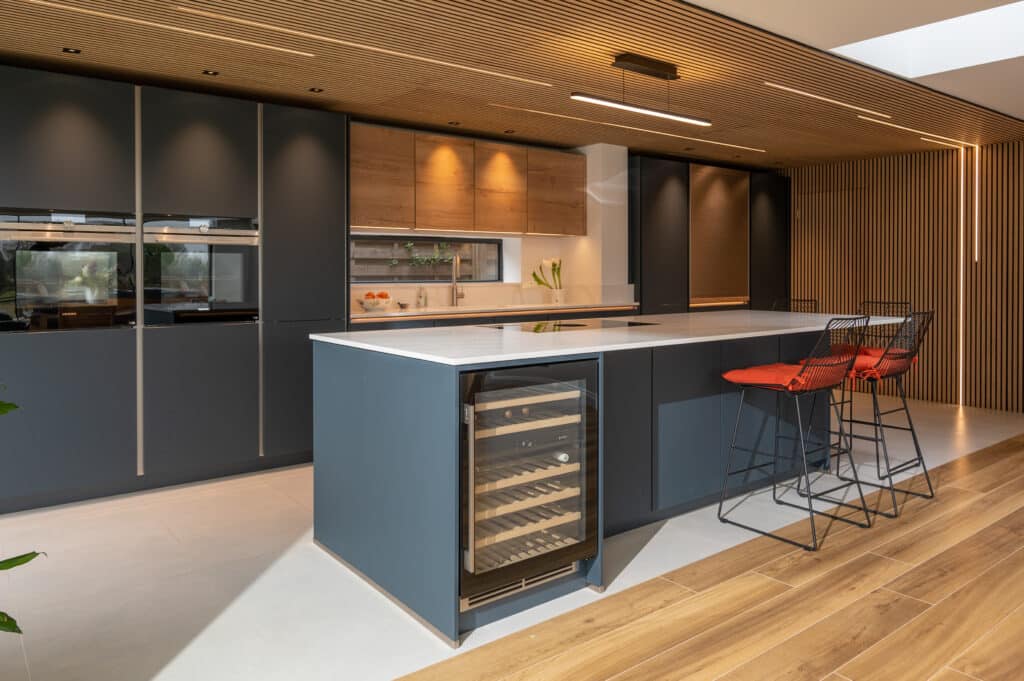
How To Incorporate Architectural Lighting In Your House Design
When it comes to interior design, lighting plays a pivotal role that often goes unnoticed but makes all the difference in creating the ambience and allure of your living spaces.
From the gentle glow that welcomes you in all the way to the strategic beams that showcase your favourite possessions, mastering the art of architectural lighting can elevate your house design to a whole new level.
In this blog, we will help you to understand the types of architectural lighting and how it can breathe life into your home interiors.
Starting with a quick interview with Claudia Clements, the owner of focalglow and our lighting expert!
Interview with Claudia
What do you love about being a lighting expert?
Sharing my passion for light, interiors and architecture with clients, architects and designers. Bringing an extra special dimension to a project by using light to create atmosphere. Working as part of a creative design team to enhance architectural and interior design features with the creative use of light. Seeing a client’s excited and often suprising reaction when they realise the power of light to transform and enhance their homes.
What are your favourite architectural lighting projects to work on?
Design led projects with creative use of materials, innovative spaces, interesting structures and stunning interiors. Whether a soaring vaulted space, a small beautifully crafted interior or a listed structure, I thrive on challenges both creative and technical – it’s what keeps me moving forward and constantly learning.
Are there any specific lighting techniques that you use when working with architectural lighting?
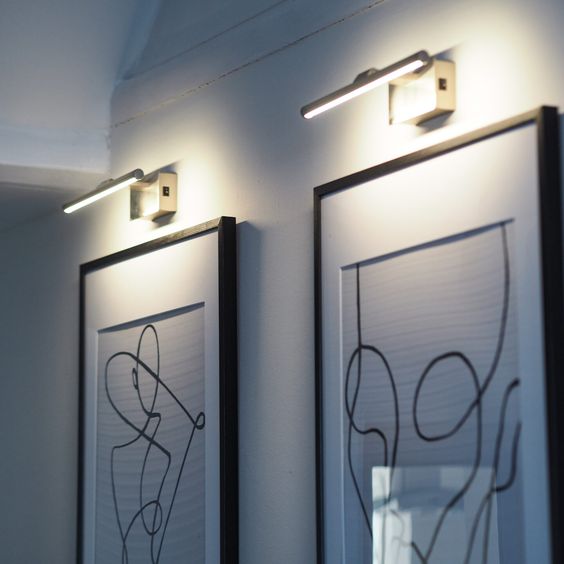
The key to architectural lighting is to take your eye on a journey through your home using carefully selected lighting techniques. Grazing light across a beautifully textured wall, highlighting a special object or artwork or drawing your view through a window to a dramatically uplit tree outside all help to enhance your enjoyment of your interior spaces.
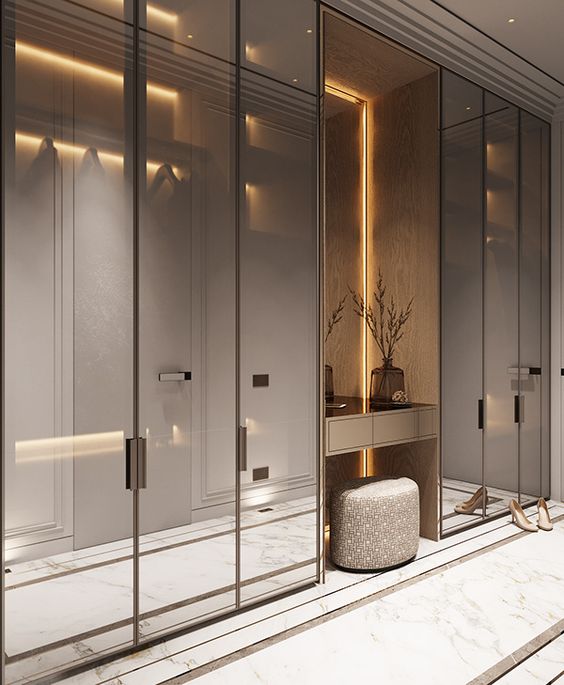
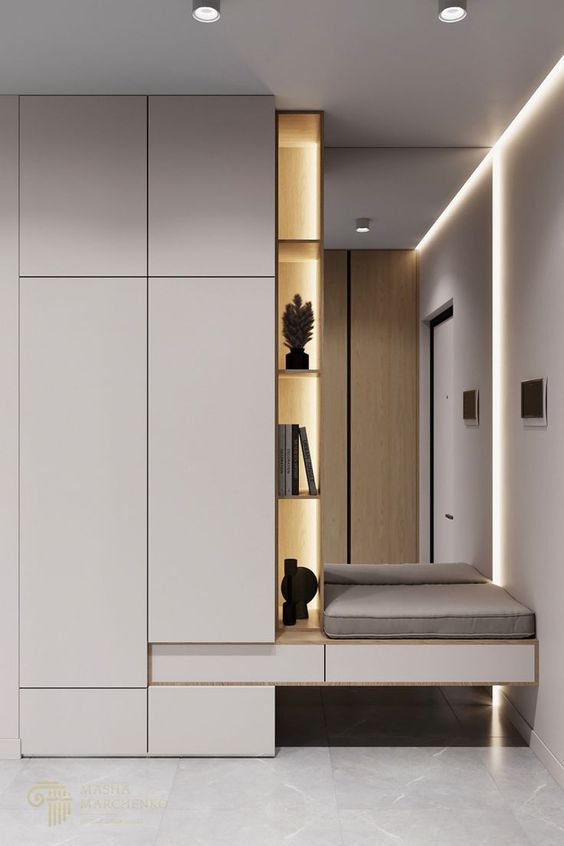
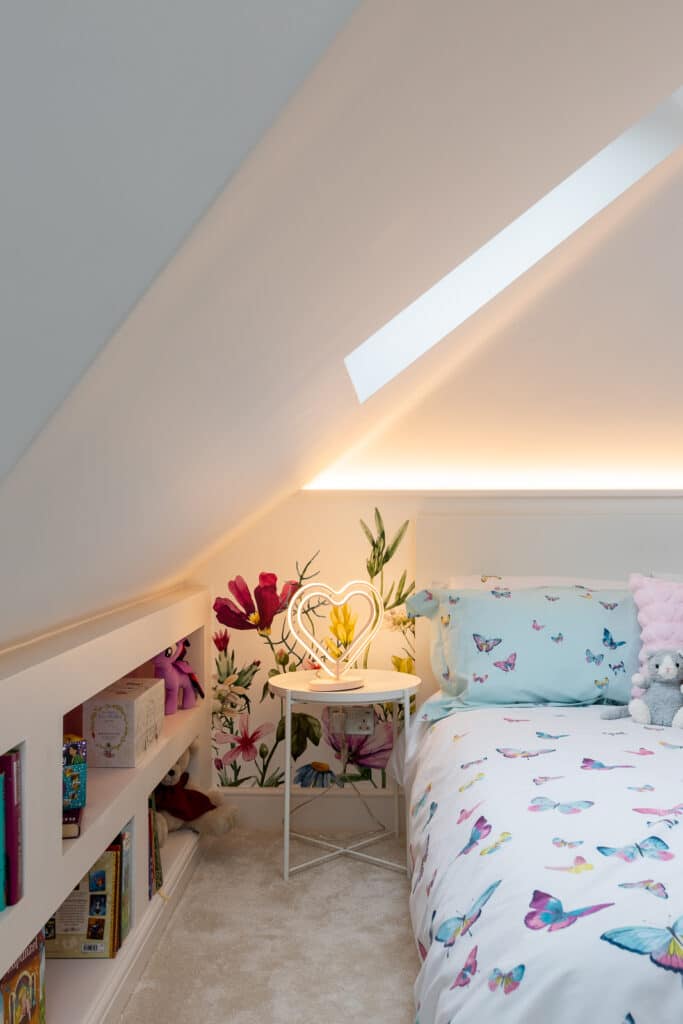
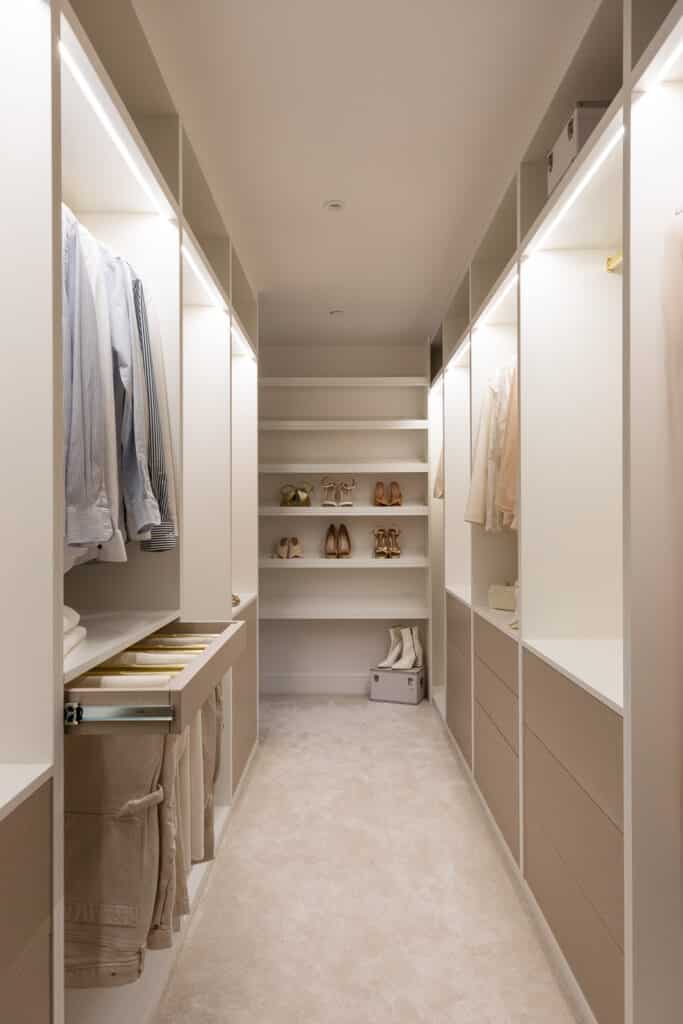
Often the magic in lighting comes when it is concealed within architecture or joinery. The look no hands approach. Hidden lighting creates depth, texture, and focus. A combination of decorative, architectural and hidden lighting creates layers of light which can be controlled seperately to allow different scenes or moods.
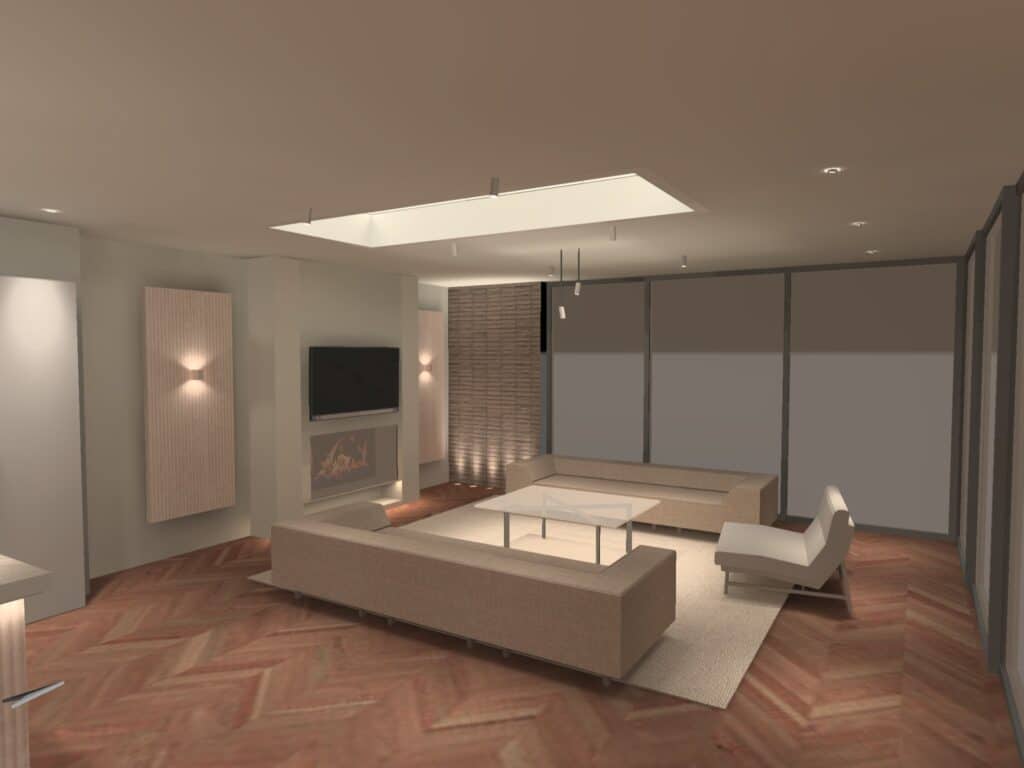
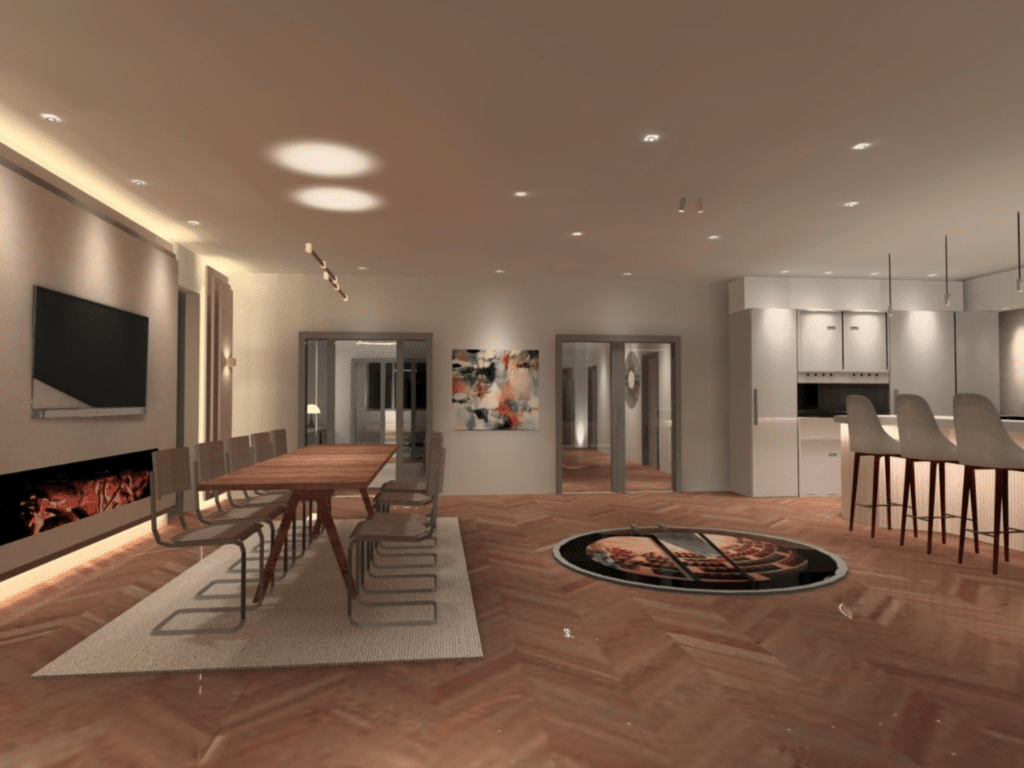
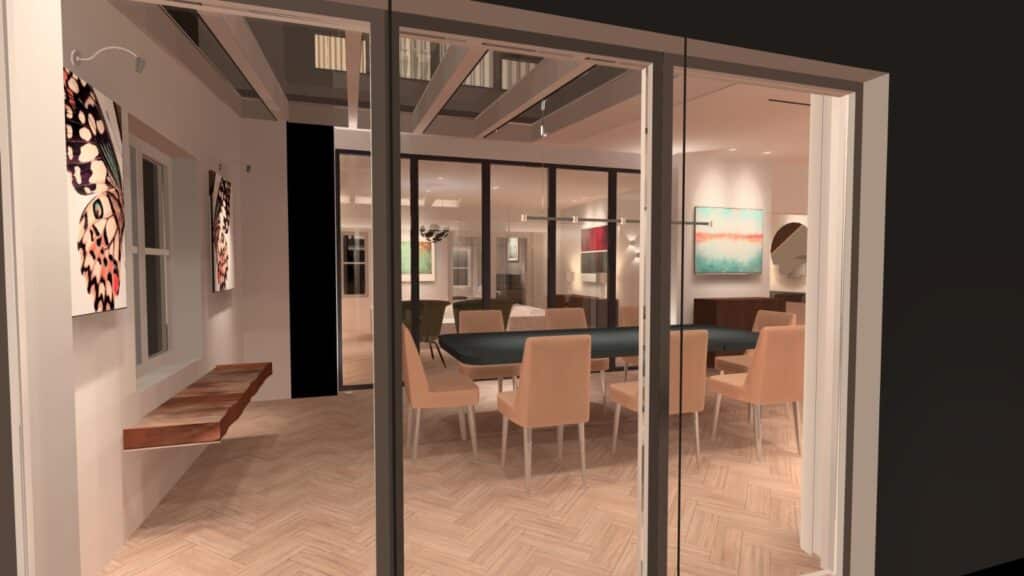
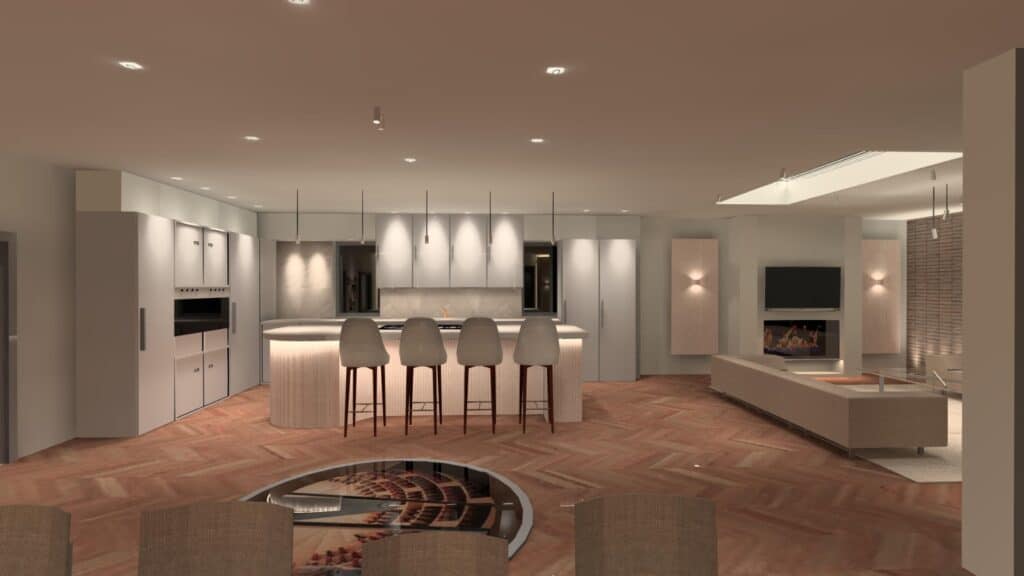
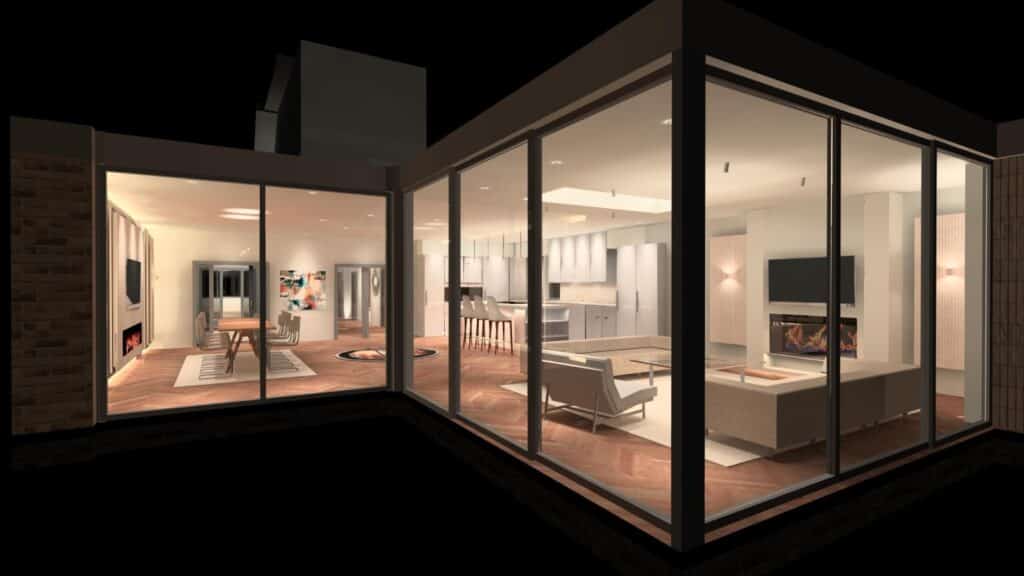
Here are some examples of how Claudia plans the architectural lighting for her projects.
Understanding Architectural Lighting:
Architectural lighting refers to the use of lighting to enhance the architectural design, aesthetics, and functionality of a space. It involves strategically designing and building light fixtures to transform a space.
Architectural lighting serves both practical and artistic purposes, aiming to create a balance between light, shadow, and form while elevating the design of your home. There are several types of architectural lighting that play important roles in creating a gorgeous home. This includes:
Ambient lighting
Ambient lighting establishes a base level of illumination, providing overall brightness to a room. This is your main source of lighting in a room.
Task lighting
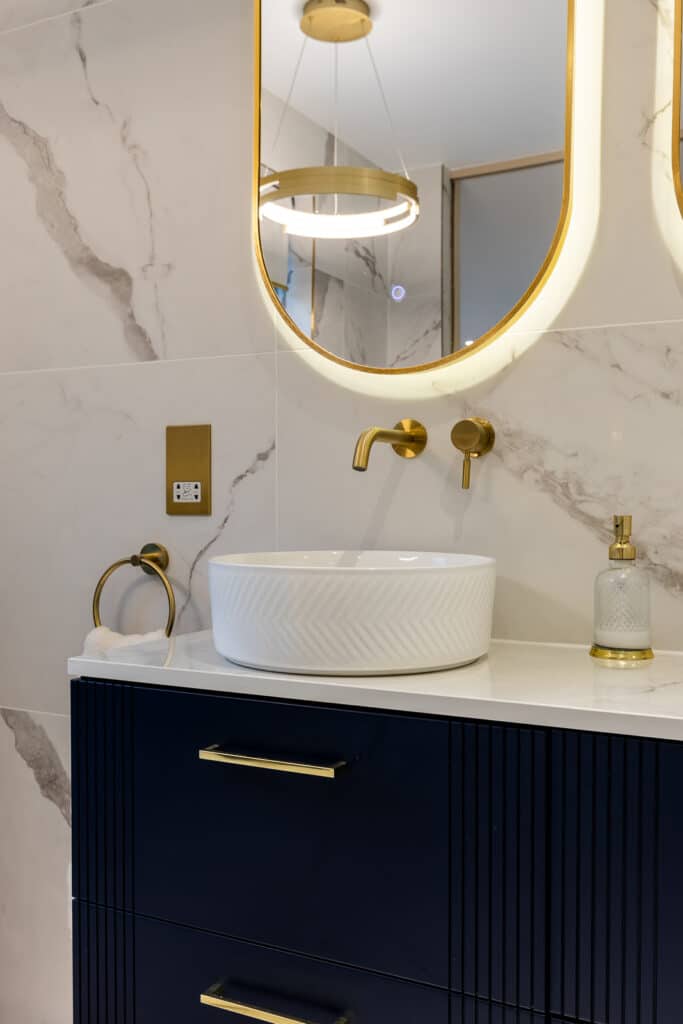
Task lighting highlights specific areas, ensuring functionality and reducing strain. This could be used to brighten your bathroom mirrors or your kitchen cupboards.
Accent lighting
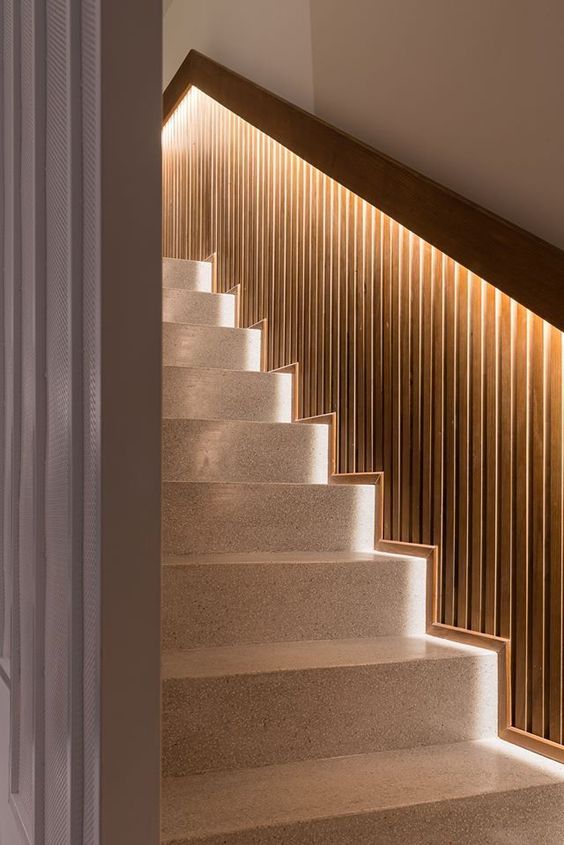
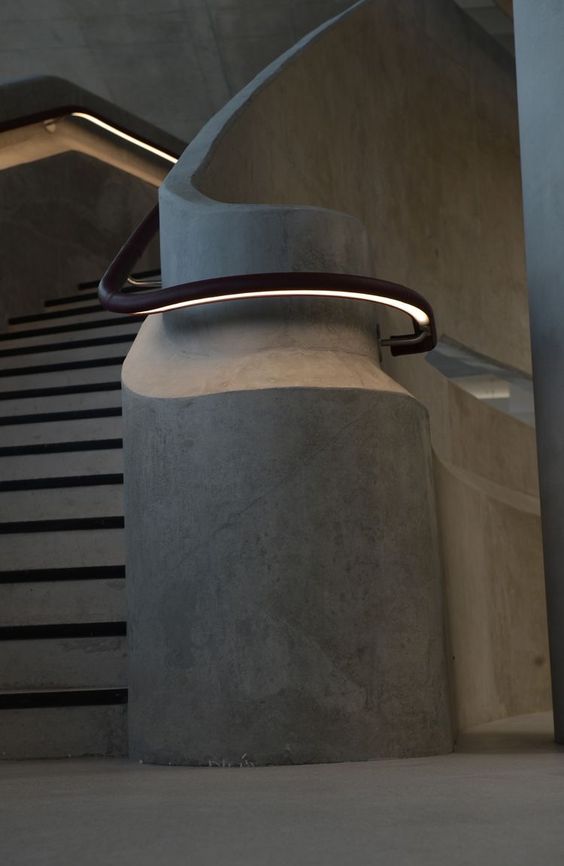
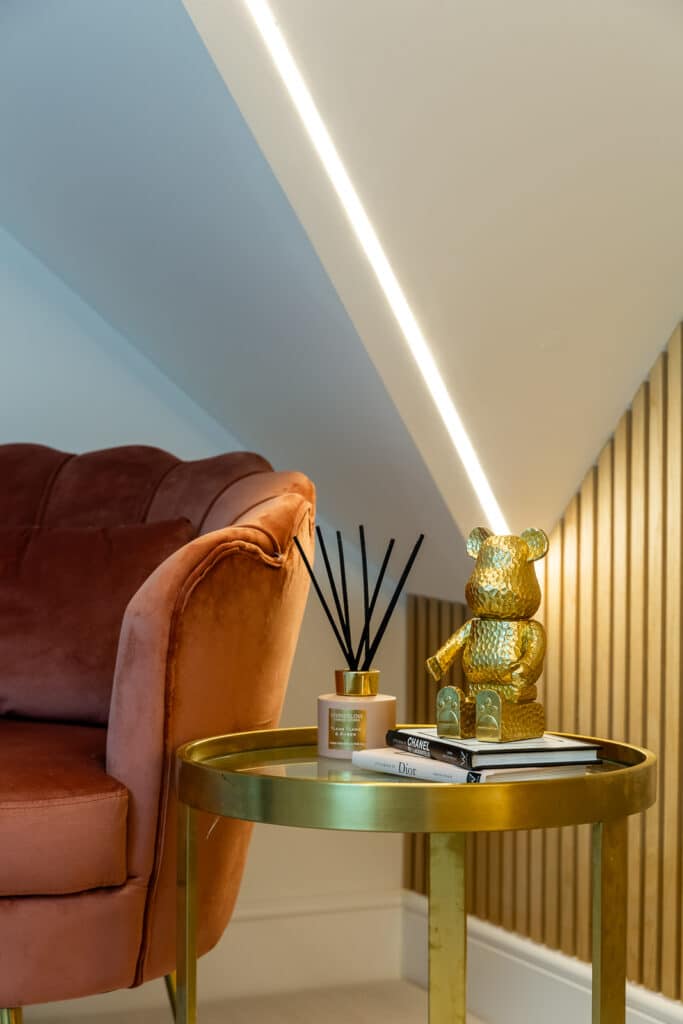
Accent lighting highlights architectural features or objects, adding depth and drama. This could be built into the stairs in your hallway to highlight their design.
Decorative lighting
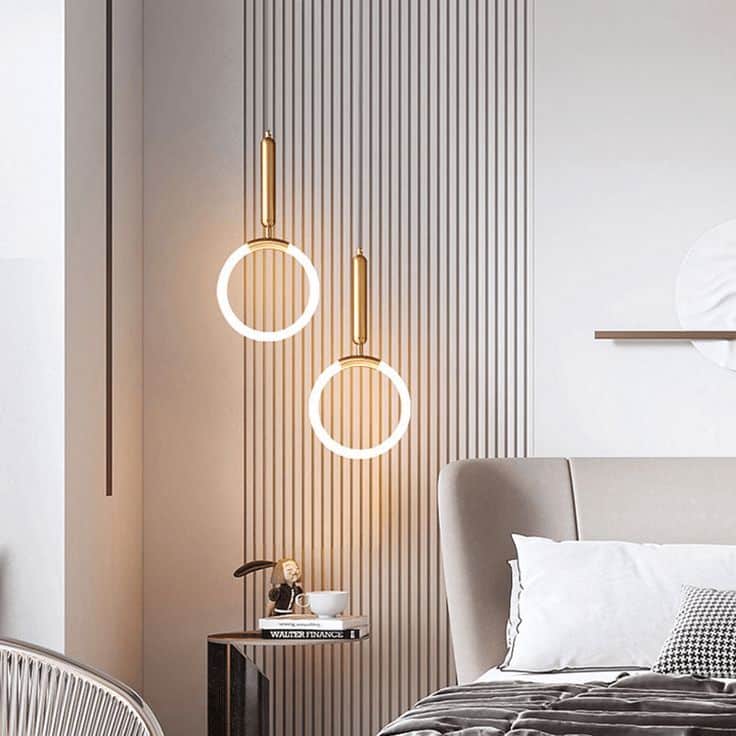
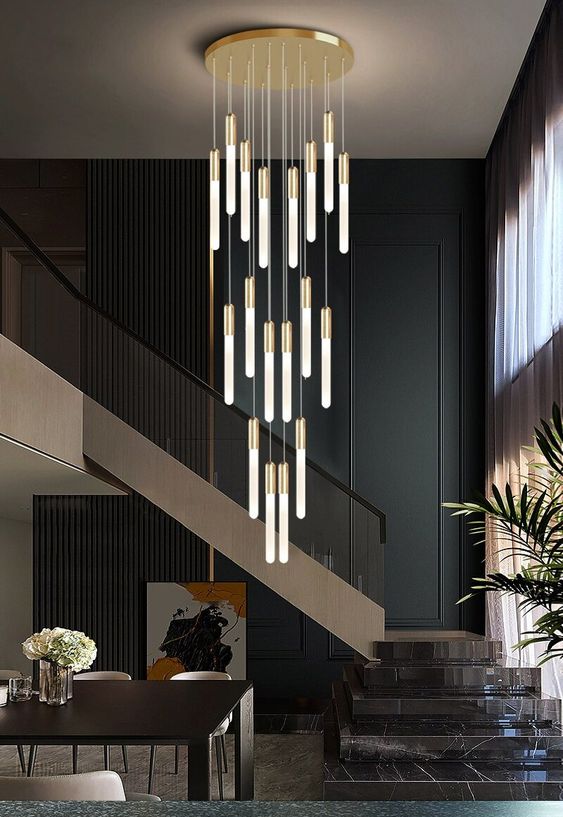
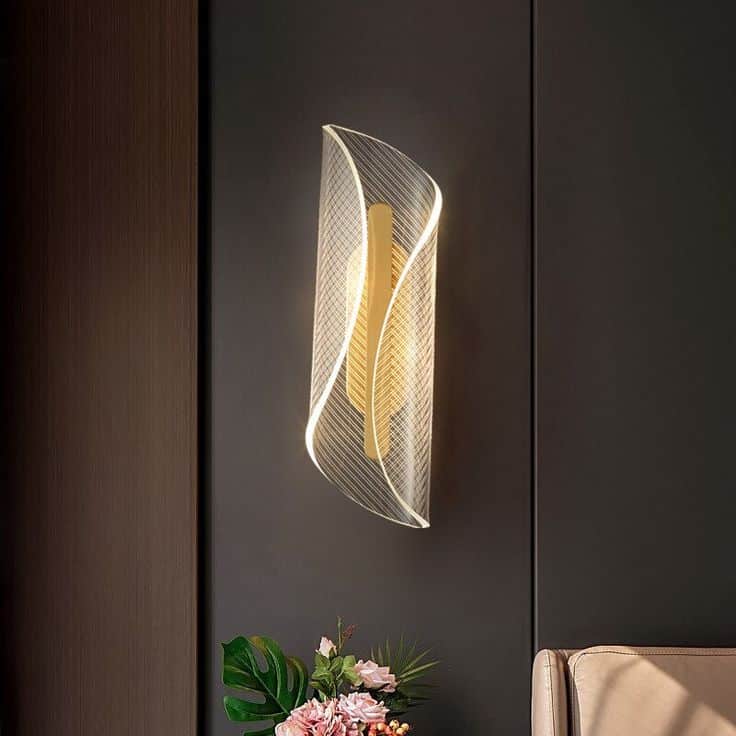
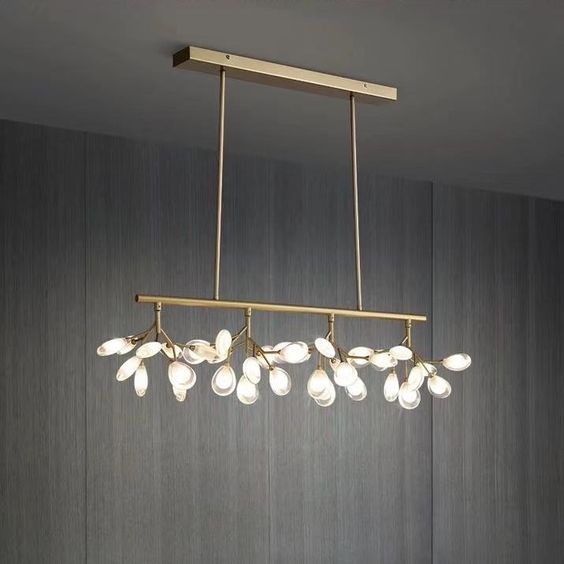
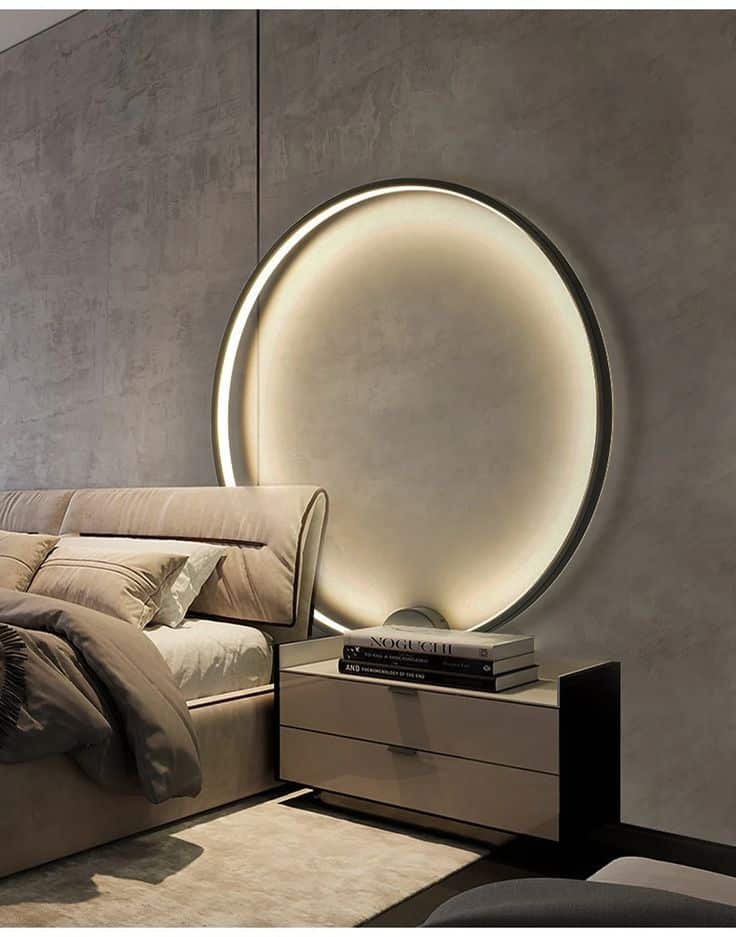
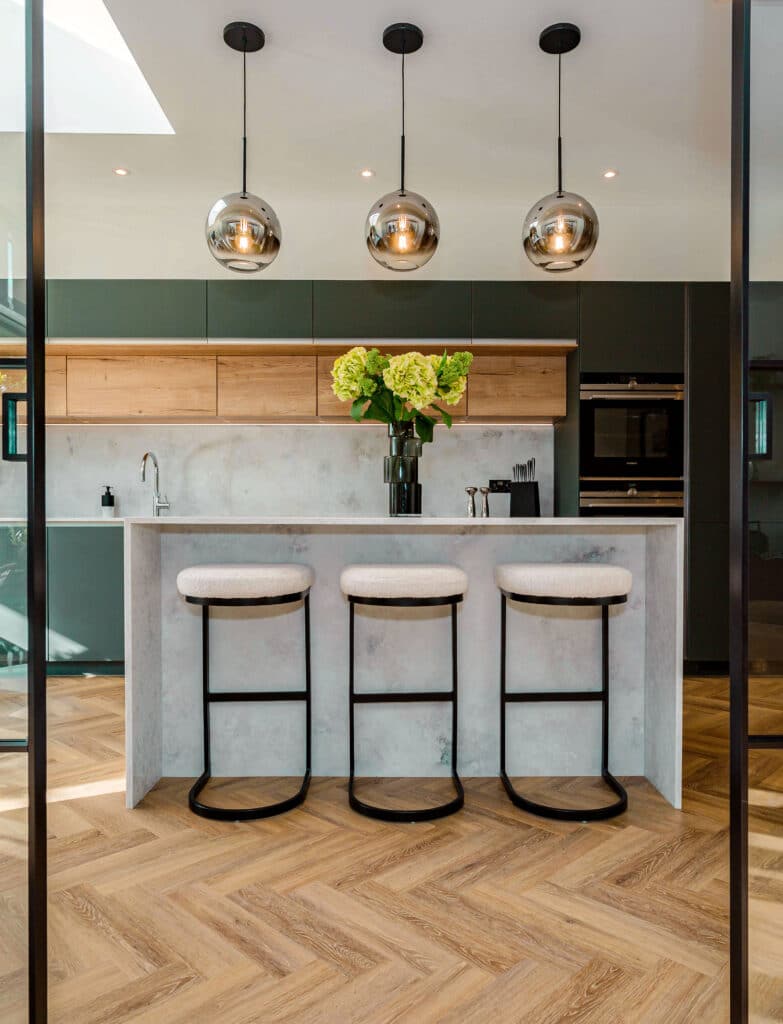
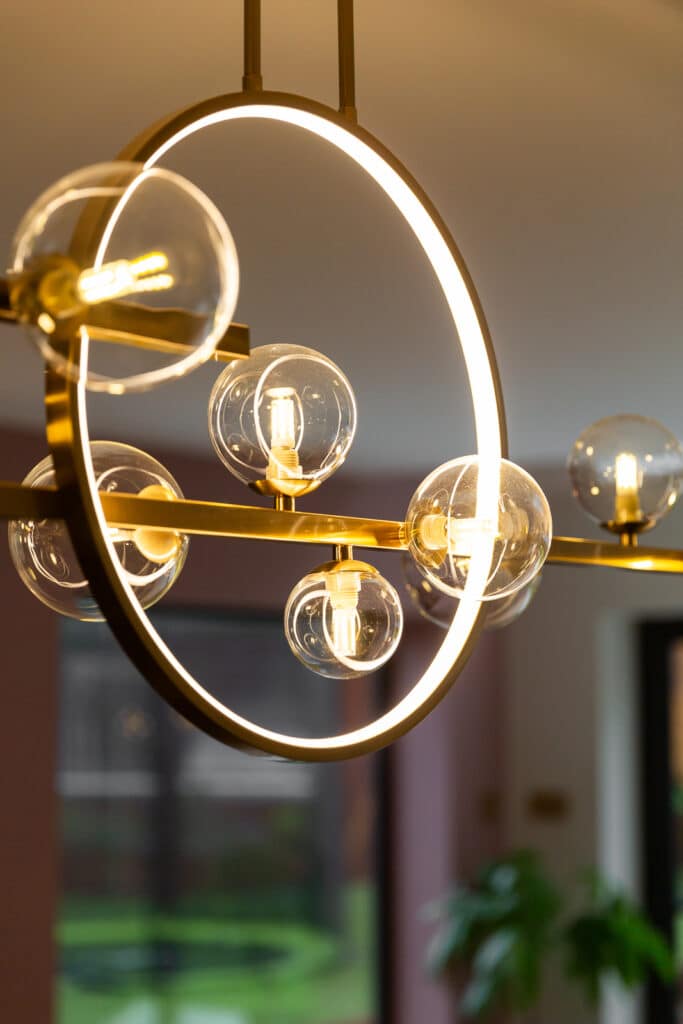
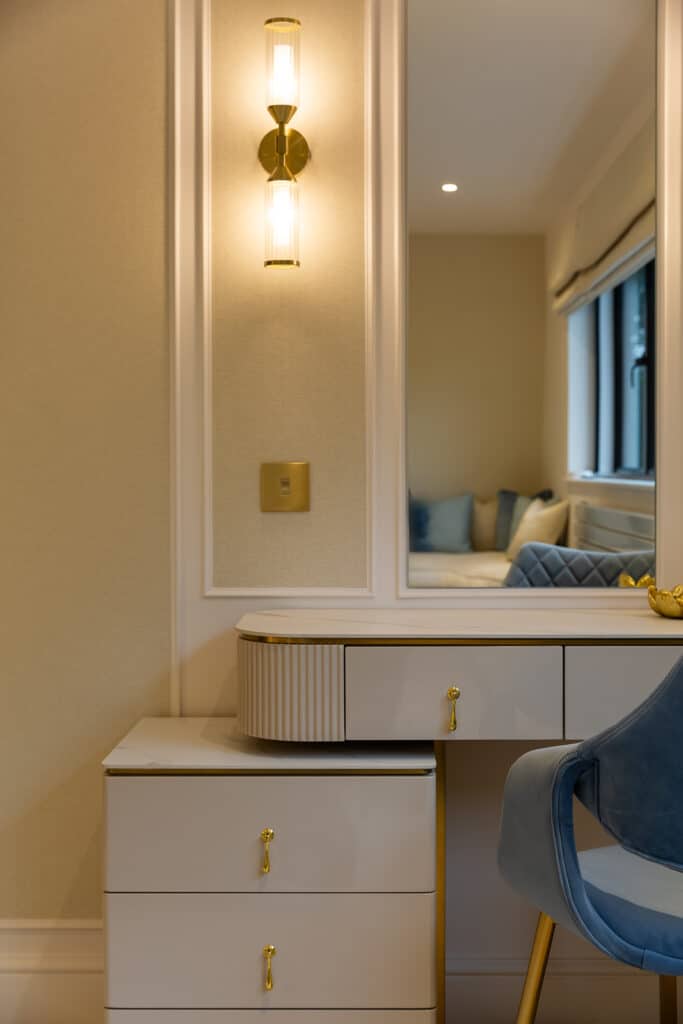
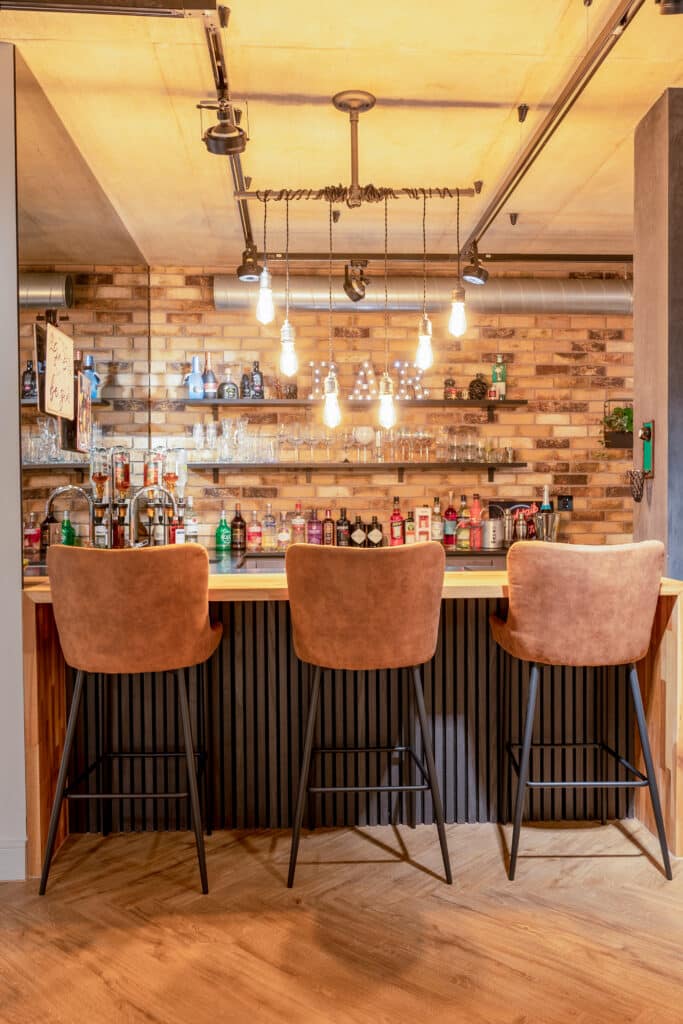
Decorative lighting serves as an artistic element, showcasing the design of the lighting fixtures themselves. This could be brought in by using stunning chandeliers or statement wall lights.
By combining these types of architectural lighting, interior designers can craft dynamic rooms that elevate the feel and aesthetic of your home.
We love collaborating with Claudia to do just that!
Assessing Your Home’s Lighting Needs:
When assessing how you want to implement architectural lighting in your home, there are many things you should consider.
Firstly, you need to consider each room and the ambience/vibe you would like it to have. This is essentially understanding what you want from a design standpoint. Do you want some rooms to be dimmer and cosier with others brighter? Do you want to highlight any specific rooms or areas? Maybe you want an emphasis on natural light in some rooms?
Then, you will need to look at the functionality of these choices. Are they going to be difficult to use or maintain in the future? Are they a safe and secure way to build lighting into your home?
Finally, you will need to consider the room size and layout. Where will these lighting fixtures go in order to have the most effective impact and achieve your design preferences? Are there architectural features you want to highlight in this room?
Creating a Lighting Plan:
If you want to create a lighting plan for your home, here are some steps you should take:
Assessment – Do the above steps and review purposes for each room, what design styles you prefer and which type of lighting would work best on each room.
Layering Lighting – Plan for three layers of lighting to ensure you’re using a combination of architectural lighting and achieving the most impactful outcome.
Fixture Selection – Identify which fixtures you want for each lighting source. Consider pendant lights, chandeliers, wall sconces, floor lamps, etc.
Placement – Now consider how these fixtures will be placed in each room.
Dimming and Controls – Utilise switches that work with your interior design and incorporate dimmer switches where you want a multi-purpose space.
Highlighting Architectural Features:
One of the key reasons for using architectural lighting is to highlight the architectural details of your home. There are many architectural details that make a home unique and you can enhance their effect by lighting them.
Examples include textured walls, statement artwork, staircases, archways, windows, shelving and many more!
Mood and Atmosphere:
Architectural lighting plays a significant role in shaping the mood and atmosphere of your home. It can be used to manipulate light and shadow to create your ideal visual effects.
Different lighting types can create different moods. For example, warm lighting will help you build warmth, cosiness and drama. Cool lighting can help bring energy, brightness, and highlight statements.
You can then use warm or cool lighting to highlight directions, separate spaces, and personalise your home.
Examples of Architectural Lighting:
See how we’ve used a variety of ambient, task, accent and decorative lighting in our projects below!
Ultimately, architectural lighting is a versatile tool that allows you to transform your home’s ambiance to suit your lifestyle, design preferences and desired mood and vibe. There’s lots to consider when you want to utilise architectural lighting in your home, from layering lighting and functionality in the future. However, it’s that careful consideration of lighting design that will create a home you love forever!
If you need help creating your dream home, get in touch with the HH Interiors team today!
We use cookies to ensure that we give you the best experience on our website. If you continue to use this site we will assume that you are happy with it.